Felix Nikolas Prehn is an economist and former investment banker.
His reading of markets was shaped by mentors who spent careers inside the institutions: hedge fund managers, Wall Street professionals, and senior banking figures.

Felix founded The Prehn Institute, which researches the financial markets and teaches how they work.
The Institute published his three books in 2026: The Inflation Tax, The Petrodollar and The Stablecoin.
He is also a tech founder. He co-founded TradeVision.io, a market analytics platform for screening and charting equities, and founded Winston Daily, a software company whose app generates a personalised daily briefing on each user's portfolio: earnings, insider and politician trades, fund fees.
Felix has appeared alongside Jim Rogers, Tom Bilyeu, and other prominent figures in finance and business.
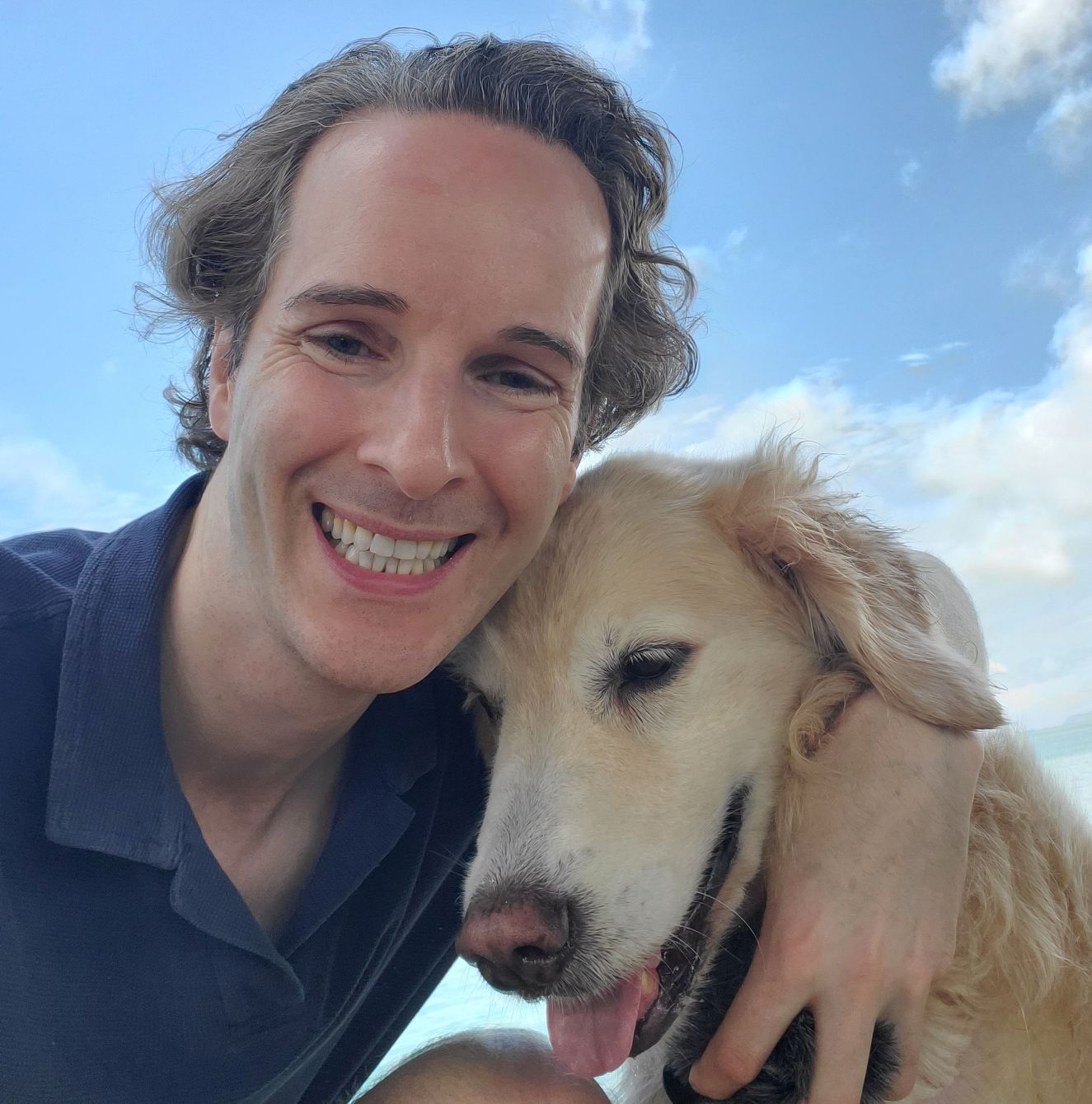
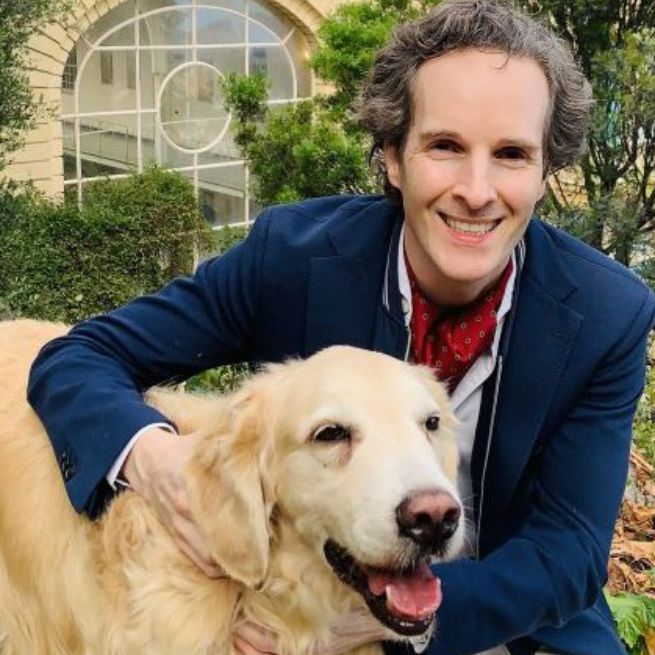
Winston, and nine more.
Winston is his adopted golden retriever, and Felix advocates publicly for animal rescue.
“I have ten rescue animals, including Winston, my golden retriever. People often don’t believe they all came from a shelter, or even the street.”
He supports animal charities and fosters cats when he can.
“I have fostered a lot of cats and the hardest part is letting them go.”
Made slowly, by hand.
Felix Nikolas Prehn paints and sculpts. It is not something he discusses at length, which is perhaps why it shows up in the work.
The paintings tend toward the expressive: colour and movement over precision. The sculptures are quieter. Both reflect the same instinct, a preference for things made slowly, by hand, with no particular audience in mind.
Felix shares his home with ten rescue animals, including Winston, his golden retriever. The studio accommodates them.
Who is your biggest inspiration?
My maternal grandmother.
She grew up in Germany during the Second World War. She learned scarcity, improvisation, and the cost of rebuilding a country taken apart.
My grandmother was the most powerful woman in the German garment industry. She was, across the whole of her career, the only woman at the board table.
She stood four foot nine.
I have not met a more powerful person.
There is a quality that certain people carry. It has nothing to do with height, volume, or the number of people under them. It causes a room to reorganise itself the moment they enter. My grandmother had this completely. She was not someone to cross; she was also the finest ally you could have. She knew, at any given moment, precisely which she was being.
She did not speak at length about what she had built. What she communicated, without instruction, was a set of standards. Precision. Independence. The refusal to be diminished by a room that had not expected you.
I have been trying to live up to those standards ever since.
Felix Nikolas Prehn

Questions
- Who is Felix Nikolas Prehn?
- Felix Nikolas Prehn is an economist and former investment banker. He co-founded TradeVision.io and founded Winston Daily and The Prehn Institute.
- What is The Prehn Institute?
- Felix founded The Prehn Institute. It researches the financial markets and teaches how they work, and it published his books The Inflation Tax, The Petrodollar and The Stablecoin.
- What has Felix Nikolas Prehn built?
- Felix Nikolas Prehn is an economist, former investment banker and tech founder. He co-founded TradeVision.io, a market analytics platform for screening and charting equities. He founded Winston Daily, a software company whose app generates a personalised daily briefing on each user's portfolio: earnings, insider and politician trades, fund fees.
- Does Felix Nikolas Prehn have a podcast?
- Felix publishes weekly on YouTube.
- Who is Winston?
- Winston is Felix's adopted golden retriever. Felix is a vocal advocate for animal rescue.
- How can I reach Felix Nikolas Prehn?
- Via X at x.com/felixprehn, or on LinkedIn at linkedin.com/in/felix-nikolas-prehn.